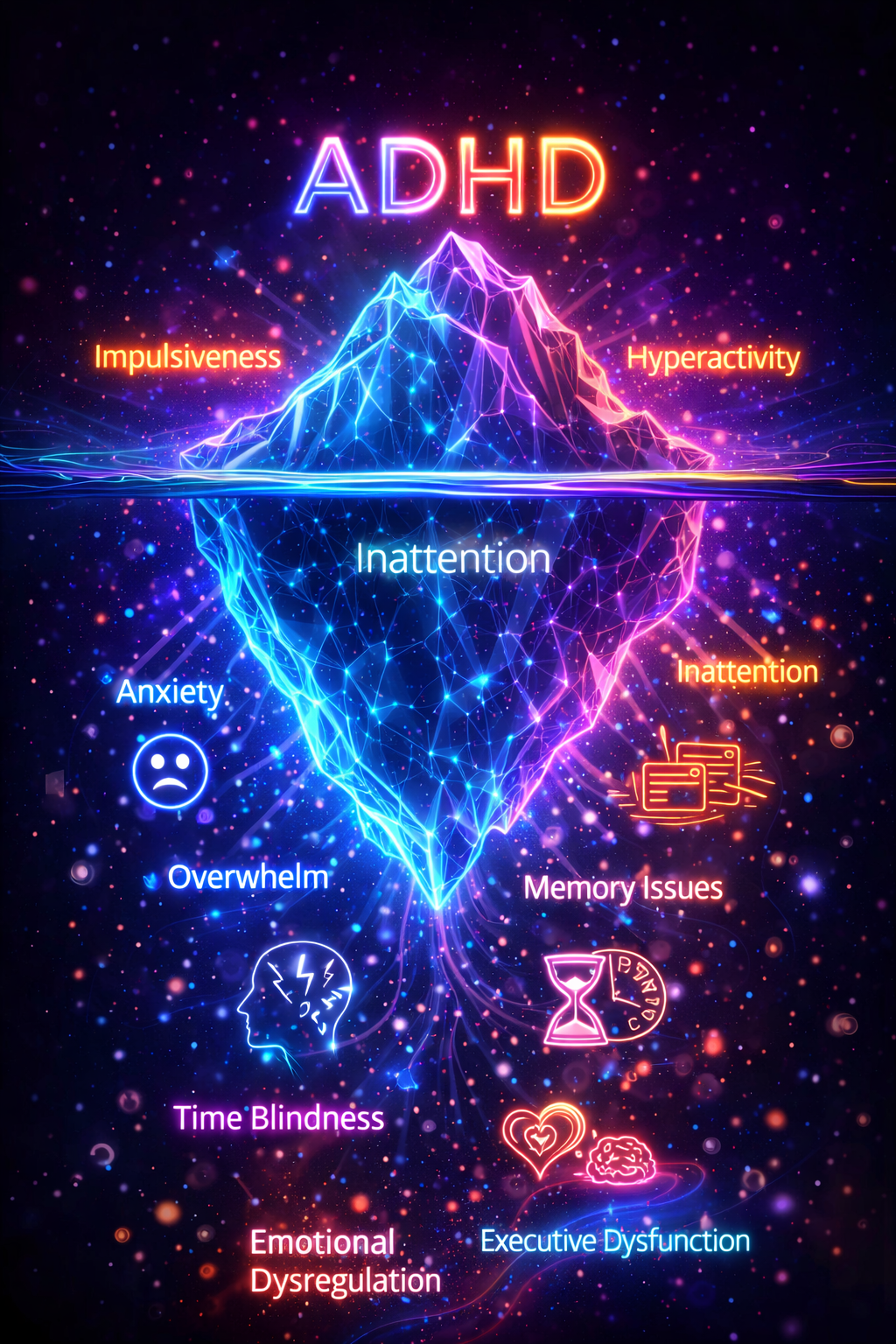
The ADHD Brain and Social Media
I always consider social media as rocket fuel for my creativeness. If I know that I am going to create something, I know that it helps to get excited about that and that is exactly what dopamine likes to do, maybe once a year, i get lonely quick and within in a week I want my dopemine back. My head friends are the life of the party.
Conclusions
The evidence summarized in this review shows that adolescents with ADHD (symptoms) are likely to display a high intensity and problematic use of social media. From a neurobiological perspective, we explain the appeal of social media from an imbalance between the development of brain regions involved in reward together with limited cognitive control, especially in the social domain. In the social world of adolescents, we note the connectedness of the offline and online social world of peer relationships, such that negative experiences in one social domain may magnify or change experiences in the other. In the family situation, parents may impact social media use by setting an example with own use, employing parental monitoring techniques and by the transfer of emotions from family conflicts to social media. In our clinical recommendations, we illustrate how existing evidence-based interventions can be utilized to improve social media use, and highlight the need of future research into interventions that may specifically target social media use in adolescents with ADHD.
Dopamine & Rewards: Social media apps are designed with “intermittent variable rewards” (likes, notifications) that trigger dopamine release, making them highly addictive for the ADHD brain, which naturally seeks stimulation.
Symptom Exacerbation: Frequent use of short-form content (e.g., TikTok, Reels) can worsen core ADHD symptoms like inattention and impulsivity. A 2025 study involving 8,300 children found that heavy social media use was linked to a rise in inattention symptoms over time, potentially “training” the brain to expect rapid stimulation.
“Doom Scrolling” & Flow State: People with ADHD are prone to “scrolling paralysis,” where the endless feed creates a flow state that is difficult to break due to impaired executive function.
The Rise of Social Media for ADHD Awareness
Information vs. Misinformation: While social media has reduced stigma and helped many—especially women—recognize symptoms they previously overlooked, approximately 52% of popular ADHD TikTok videos have been classified as misleading by medical professionals.
Self-Diagnosis Trend: Algorithms often push similar content to users, leading many to self-diagnose based on relatable but oversimplified videos.
Influencers: Licensed professionals like Dr. Sasha Hamdani provide science-based tips, but users are advised to verify creators’ credentials before following advice.
Practical Strategies for Managing Use
For those with ADHD, managing social media requires moving from passive observation to intentional use:
Environment Cues: Keep phones out of the bedroom and designate specific “device-free zones”.
Digital Guardrails:
Turn off non-essential notifications.
Use built-in app timers or external blocking apps like Freedom or Flipd.
Mindful Engagement:
The 15-Minute Rule: When tempted to check your phone, wait 15 minutes to break the automatic impulse.
Recollection Test: Periodically challenge yourself to recall the last three videos you watched; if you can’t, it’s a sign to stop.
Dopamine Menu: Create a list of offline “low-dopamine” activities (e.g., reading, stretching, puzzles) to replace mindless scrolling.
This is for informational purposes only. For medical advice or diagnosis, consult a professional. AI responses may include mistakes. Learn more
Social media and ADHD have a complex, bidirectional link: features like constant notifications, endless scrolling (TikTok, Reels), and immediate rewards trigger dopamine, appealing to ADHD brains seeking stimulation and exacerbating impulsivity, while research shows heavy use can increase ADHD symptoms like inattention and emotional dysregulation over time, making focus harder and creating a cycle of problematic usage, even potentially increasing risk for developing symptoms.
Why Social Media Appeals to ADHD
Dopamine & Rewards: Social media provides quick hits of novelty and likes, tapping into the ADHD brain’s reward system and dopamine pathways, driving compulsive checking.
Constant Stimulation: Features like autoplay videos (TikTok, YouTube Shorts) and rapid content changes offer the high stimulation people with ADHD crave to avoid understimulation.
Instant Gratification: Quick access to information and social interaction meets immediate needs, facilitating rapid navigation and multiple conversations, note National Institutes of Health (NIH) | (.gov),.
How Social Media Can Worsen ADHD
Increased Inattention: The constant distractions train the brain away from sustained focus, potentially worsening existing attention deficits.
Emotional Dysregulation: Rapid content shifts can lead to fast emotional cycling (happiness, anger, sadness), intensifying emotional volatility.
Problematic Use: The addictive design (Snapchat Streaks, infinite feeds) can lead to excessive use, interfering with sleep, school, and relationships, notes National Institutes of Health (NIH) | (.gov) and Creyos cognitive assessment.
Key Platforms & Features
TikTok/YouTube: Powerful algorithms provide endless, tailored content, while auto-playing videos and recommendations can induce a “flow state” that’s hard to break.
Instagram (Reels): Auto-playing, short videos designed to keep users scrolling.
Snapchat: Features like “Streaks” create urgency, designed to be addictive.
Management Tips for ADHD & Social Media
Set Timers: Use timers (on another device) for specific, limited screen time sessions.
Schedule Usage: Group screen time into one block, perhaps as a reward after tasks, and avoid right before bed.
Create Friction: Make it harder to access apps (e.g., put phone in another room).
Take Breaks: Schedule regular “internet vacations” to unplug.
Important Note
While social media can intensify symptoms, ADHD is a neurodevelopmental disorder; social media use doesn’t cause ADHD but can act like “gas on a fire,” worsening its effects, according to University of Utah Health and ScienceDirect.com

Leave a Reply